How to Enhance Early Childhood Education Through Hands-On Learning in Australia
Benefits of Hands-On Learning
When I walk through the vibrant halls of the Queensland Children's Hospital, I am reminded of the profound impact hands-on learning can have in early childhood education. It's not just about engaging young learners; it fosters real, measurable growth across various developmental domains. One of the most significant benefits is its role in boosting cognitive development. When children are actively involved in their learning process—through activities like building blocks or interactive storytelling—they strengthen their problem-solving and critical thinking skills, essential components of cognitive growth early childhood education.
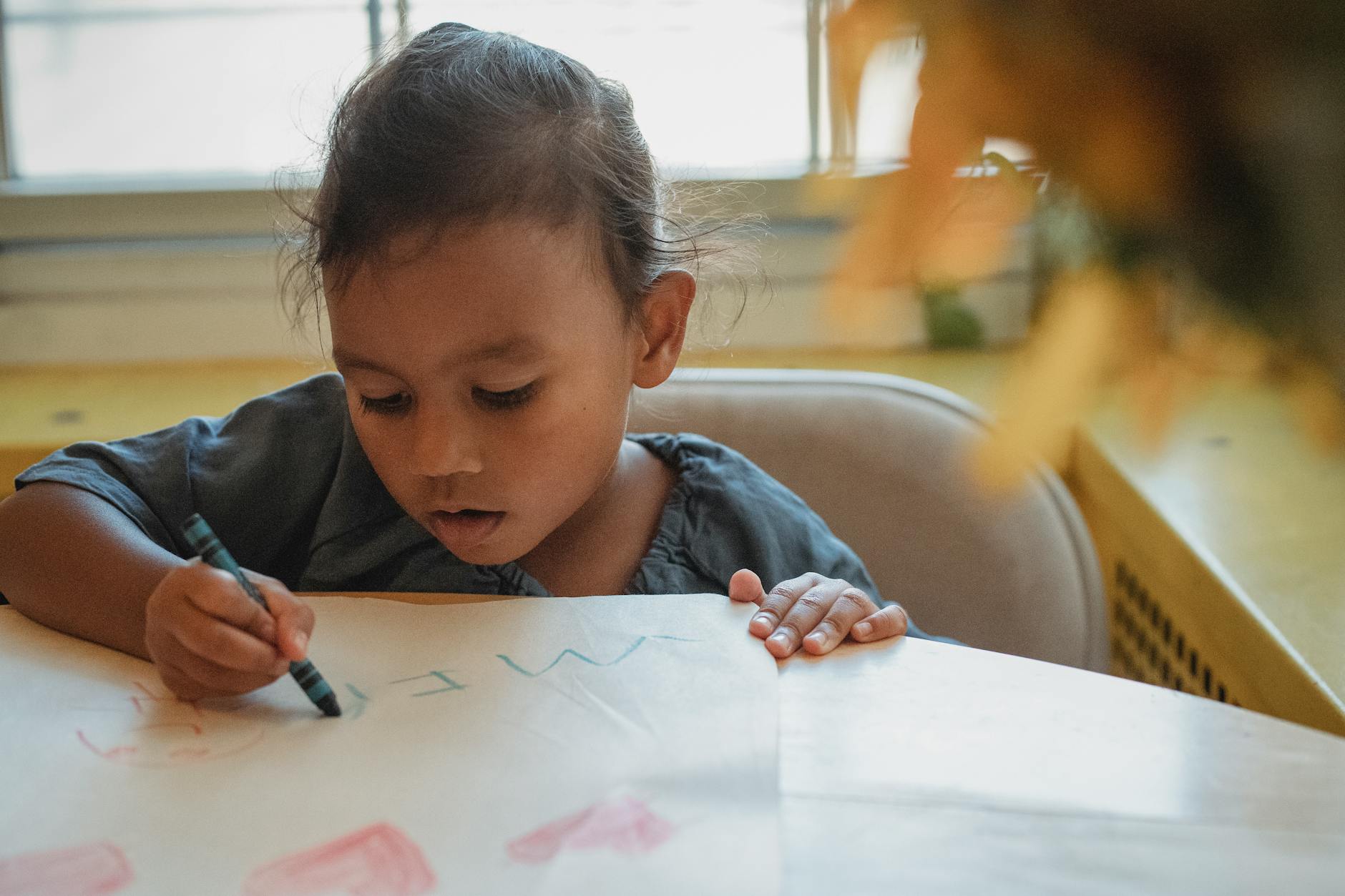
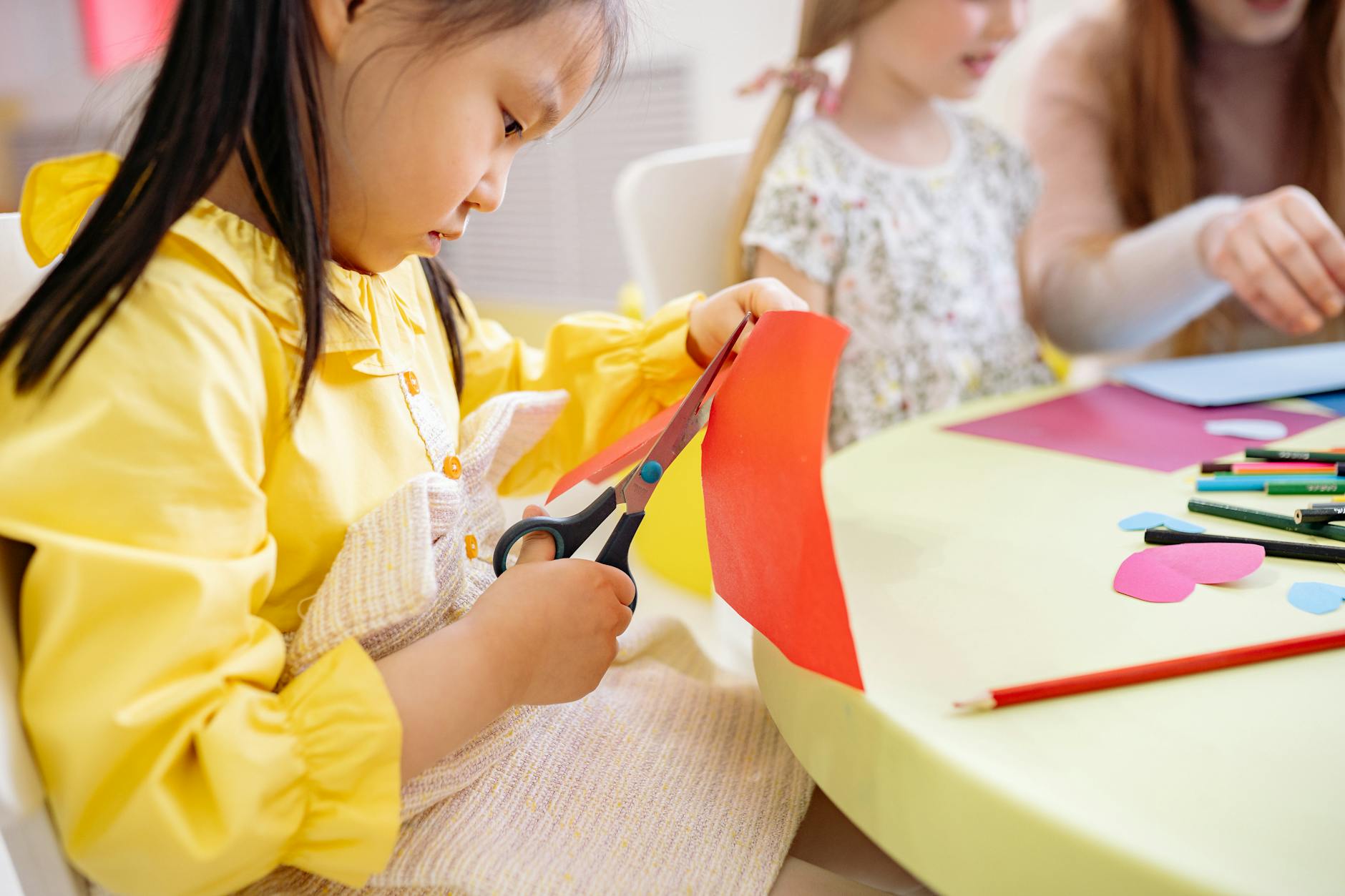
Hands-on experiences also play a crucial role in enhancing fine motor skills. Activities such as cutting, drawing, and assembling puzzles require the use of small muscle groups, which improves children's dexterity and hand-eye coordination. For our young learners in Brisbane, incorporating aged care training elements subtly into play can enrich their understanding of empathy and caregiving.
Perhaps one of the most rewarding aspects of hands-on learning is its ability to foster emotional growth. Children are provided with a sense of ownership and accomplishment over their work, which boosts self-esteem and emotional resilience. These activities encourage children to express themselves creatively, leading to improved communication skills and emotional intelligence.
Overall, hands-on learning opens the door to a well-rounded development, setting our young learners up for success in their future educational endeavors.
Strategies for Implementation
Creating Sensory Play Areas
In my role as a dedicated child development specialist here in Brisbane, I can't stress enough the importance of sensory play areas in early childhood settings. These spaces are designed to engage multiple senses, promoting a child's holistic development. When creating such areas, consider elements that stimulate touch, smell, and sound. Items like textured fabrics, aromatic plants, and musical instruments can transform a simple corner into a vibrant learning environment. The Queensland Children's Hospital in Brisbane offers excellent case studies on the efficacy of sensory areas, showcasing how these spaces can significantly enhance learning engagement and development.
Incorporating Real-World Experiences
Incorporating real-world experiences into the classroom bridges the gap between learning and life outside school. Whether it's incorporating visits to local educational spaces like South Bank or using nature walks in urban gardens, these experiences bolster learning by providing practical context. Students gain a better understanding of the world, and this kind of learning can also include simple activities such as gardening or cooking, both of which offer practical skills and life lessons. Such strategies make learning dynamic and relatable, while also preparing children for various life scenarios.
Utilizing Interactive Technology
With a diploma in early childhood education, I’ve had the opportunity to explore the benefits of using interactive technology to enrich learning experiences. Tools like smartboards and educational apps can engage young learners in ways that traditional methods cannot. These technologies provide interactive lessons that can adapt to a child's individual pace and interest. Used judiciously, such tools can transform the educational experience for the better, maintaining the engagement and curiosity essential for effective learning.
Designing a Dynamic Classroom
Organizing Spaces for Exploration
Creating a classroom environment that encourages exploration is crucial in fostering curiosity and independence among young learners. Start by sectioning off distinct areas within the room, each dedicated to different activities like reading, art, or dramatic play. This approach not only provides structure but also empowers children to navigate their learning journey autonomously. Remember, flexibility is key; rearrange these spaces occasionally to keep the excitement alive. Incorporate elements such as cushions, natural lighting, and colourful displays to make the area inviting and stimulating.
Integrating Nature Elements
Bringing nature into the classroom enhances sensory engagement and inspires a sense of wonder in children. Infuse your teaching space with natural materials like wood, plants, and stones. Utilize Brisbane's inspiring South Bank educational spaces as a source of ideas, illustrating how nature-based elements can transform a learning environment. You might add a small indoor garden or incorporate stones and leaves into daily activities, offering children tactile experiences that enrich understanding.
Encouraging Collaborative Projects
Fostering teamwork not only develops social skills but also nurtures a community spirit among children. Organize group projects that require collaboration, such as art installations or building challenges, allowing students to work together towards a common goal. To support this endeavor, consider aged care courses that provide insights into fostering empathy and communication within groups. By involving children in collaborative efforts, you cultivate a sense of belonging and mutual respect, creating a vibrant educational atmosphere.
Evaluating Student Progress
Observational Assessments
In the realm of early childhood education, especially within the vibrant settings of Brisbane's childcare centers, gaining a comprehensive understanding of each child's development is paramount. Observational assessments stand out as a pivotal tool in this endeavor. By closely observing children during activities, educators like Alex can gather crucial insights into cognitive and emotional milestones. This method provides a real-world glimpse into each child's unique strengths and areas that may require additional focus.
Documenting Learning Milestones
Capturing and recording learning milestones is an essential practice for educators. Not only does this documentation serve as a reference for educators, but it also communicates progress to parents, ensuring they are involved in their child’s developmental journey. For Alex, engaging with these milestones might involve compiling portfolios that highlight achievements in key areas such as creative problem-solving and language skills. This approach can be particularly beneficial when enrolling in child care courses that emphasize innovative teaching techniques.
Engaging with Peer Feedback
An empathetic and collaborative approach enriches the educational environment, and peer feedback plays a vital role in this process. By regularly engaging with colleagues, educators foster a supportive community where insights and strategies are shared. Whether through team meetings or online educator forums, this interaction can reveal new perspectives and innovative techniques that invigorate classroom dynamics.
Overall, a robust evaluation system in early childhood education requires a blend of observation, documentation, and peer collaboration, always centred around the children's best interests.
Common Mistakes in Teaching Methods
Recognising Individual Needs
One of the frequent challenges is inadvertently overlooking individual learning needs. In our efforts to engage a classroom full of eager minds, we must remain vigilant in differentiating instruction. Tailoring activities to accommodate diverse learning styles ensures every child experiences growth. At the Gallery of Modern Art (GOMA), educators can observe innovative ways to present information visually, offering insights into nurturing creativity in each child.
Maintaining Flexibility in Lesson Plans
Avoid falling into the trap of rigidity in planning, as it can stifle creativity and exploration. In Brisbane, the dynamic environment of South Bank provides ample opportunities to observe how adaptive learning spaces function. Allowing children's curiosity to guide the learning process encourages a more interactive learning approach. This adaptability ensures that we can respond to spontaneous teachable moments that arise, making education more dynamic and engaging.
Strengthening Parent-Teacher Communication
Effective communication with parents is an integral aspect of the educational process. Ignoring this can lead to misunderstandings and missed opportunities for collaboration. At Queensland Children's Hospital, where multidisciplinary teams work harmoniously, we can learn the value of open dialogue. Sharing child progress and incorporating parental feedback not only enriches the learning experience but also builds a supportive school community. By prioritising clear communication, we foster an environment where everyone is invested in the child's development.